
Payload is joining Figma
Payload is joining Figma, bringing structured content closer to design systems and modern UI workflows. This step strengthens the connection between how interfaces are designed and how content is modeled and managed in production.
By becoming part of the Figma ecosystem, Payload enables tighter collaboration between designers and developers, reducing friction between design handoff and implementation while keeping content structure consistent across teams.
This alignment allows teams to move faster and with more confidence, ensuring that design decisions made in Figma translate directly into scalable, structured content powered by Payload CMS.
Why Payload CMS?
Instead of being a separate system with limitations, Payload becomes part of your backend application, giving developers full ownership over data and business logic.
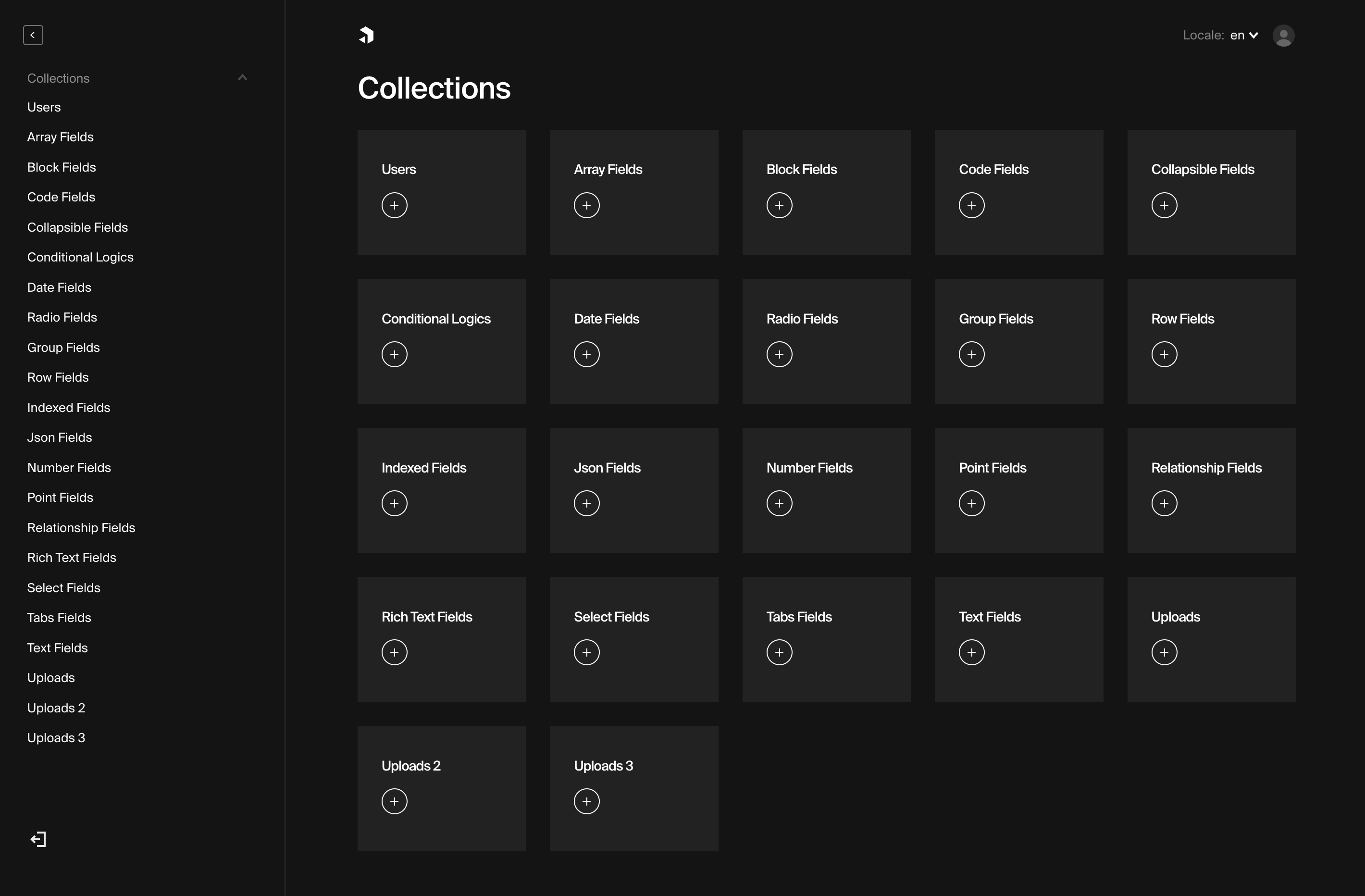
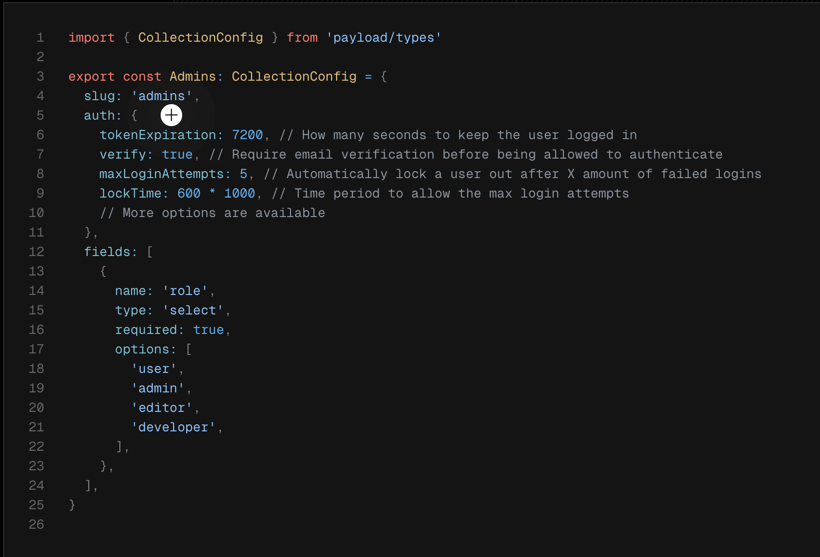
Custom collections in Payload are defined directly in code, making them easy to create, refactor, and scale. With schema-driven models and TypeScript support, developers can build precise content structures without relying on plugins or UI-based configuration.
Payload is built around three core principles:
- Content as structured data, not pages
- API-first and headless by design
- Scalability and flexibility from day one
What You Can Build with Payload CMS
Payload CMS can be used as the backend for a wide range of products, from simple websites to complex, data-driven applications. Its headless architecture and API-first approach make it suitable for any frontend or platform.
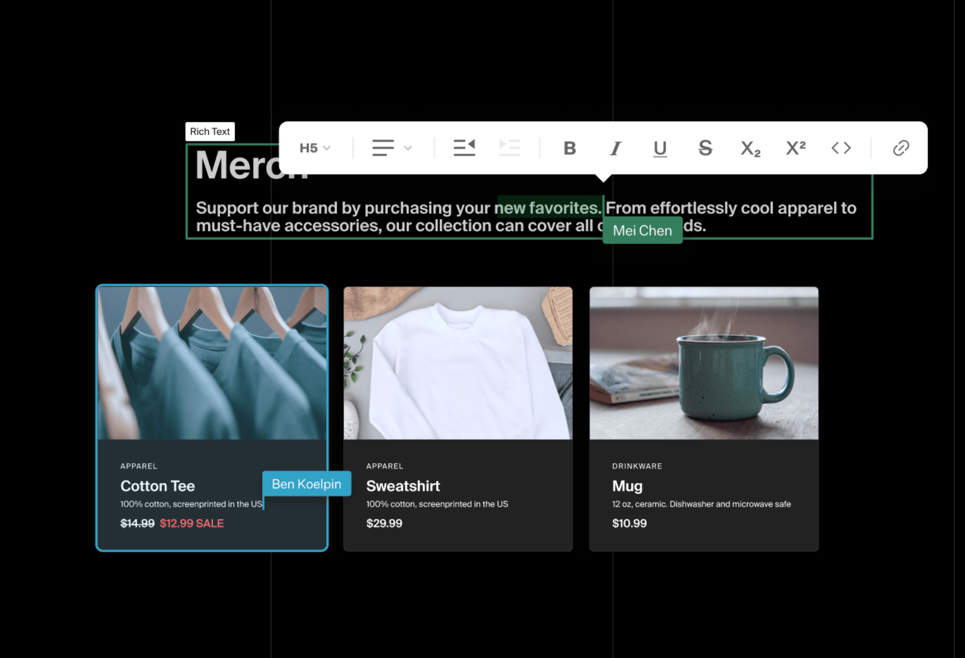
From e-commerce stores to full-scale web applications, Payload provides the flexibility to model products, users, orders, and custom business logic in a way that fits your application, not the other way around.
A flexible foundation for modern digital products
- E-commerce websites and online stores
- Marketing and content-driven websites
- Custom web applications and dashboards
- SaaS platforms and internal tools
API-First and Headless by Nature
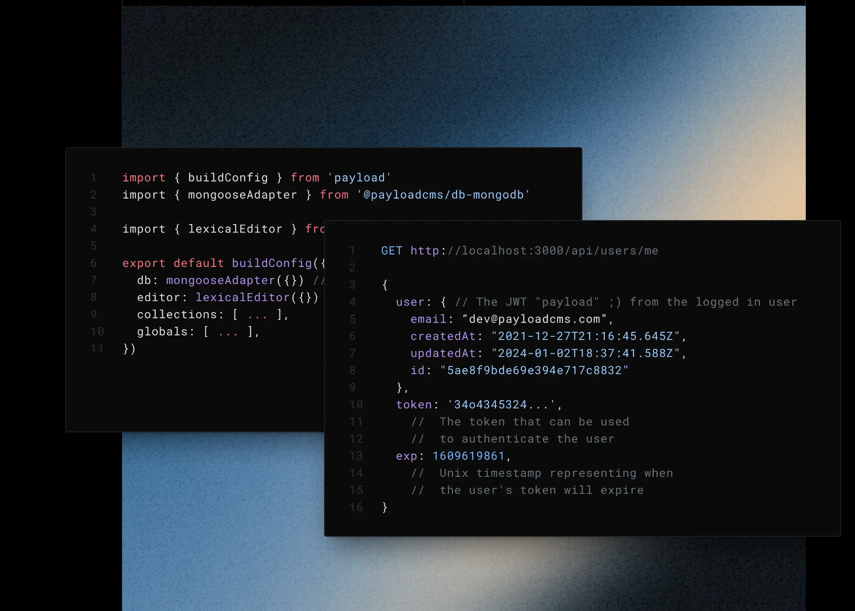
Payload exposes content through REST and GraphQL APIs out of the box. This makes it easy to use the same backend across multiple platforms and interfaces.
Whether you're building a marketing site, a dashboard, or a mobile app, Payload fits seamlessly into any modern frontend stack.
One backend, multiple frontends
- Works with Next.js, Astro, React, Vue
- Supports multi-channel content delivery
- No tight coupling to a specific frontend
Developer Experience First
Payload CMS is designed with developers in mind. Configuration lives in code, not in hidden admin settings, making projects easier to reason about and maintain.
Hooks, custom endpoints, and access control allow you to implement complex business logic without fighting the system.
A CMS that feels like a framework
- TypeScript-first configuration
- Lifecycle hooks for full control
- Custom endpoints and logic
- Field-level access control
When Payload CMS Makes Sense
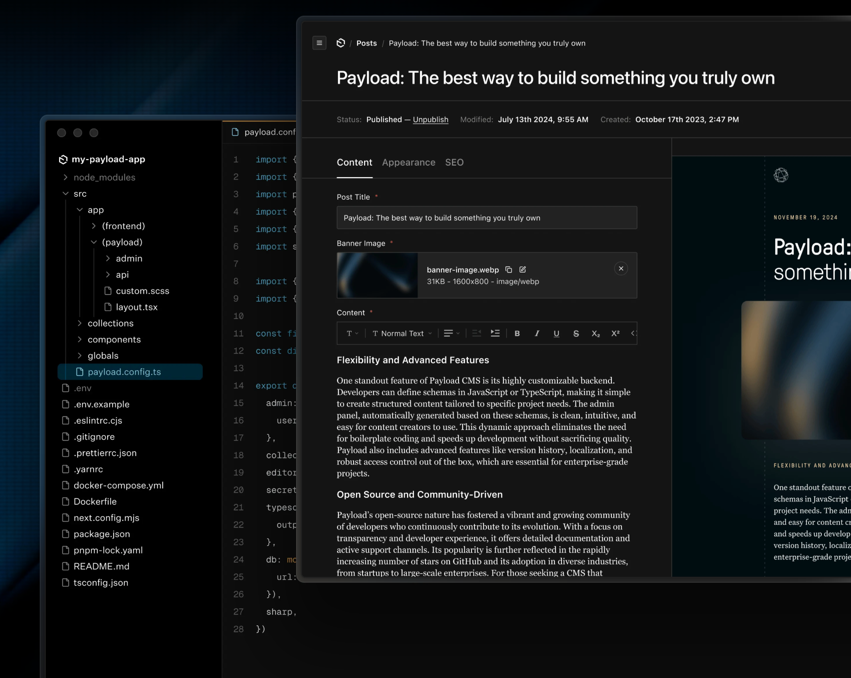
Payload CMS shines in projects where flexibility, performance, and scalability are critical. It is especially well-suited for startups, SaaS platforms, and custom products.
For very simple websites or blogs without long-term growth plans, Payload may be more powerful than necessary.
Not for every project — and that’s okay
- Modern JavaScript-based projects
- SaaS and product-driven platforms
- Projects with custom business logic
- Teams that value long-term scalability